Why read a bedtime story every night?
Because it gives your child so much in ten minutes: new words, a busy imagination, a calm signal that sleep is next, and you. One picture book a day adds up to about 290,000 extra words heard by kindergarten.
That number comes from Ohio State researchers who counted the words in popular picture books (Logan et al., 2019). The talk around the story counts too: when parents asked open questions while reading, toddlers’ spoken language ran about six months ahead (Whitehurst et al., 1988).
What does a good bedtime routine look like?
Three to five calm steps in the same order every night, for example bath, pyjamas, teeth, story, lights out. In a study of over 10,000 families, each extra night a week with a routine went with falling asleep faster, waking less and sleeping longer.
The study covered children up to 5 in 14 countries, and the link was step by step: more routine nights, better sleep (Mindell et al., 2015). Put the story last, and it becomes the step your child looks forward to most. Our bedtime routine guide has sample schedules by age.
Where does Luna fit?
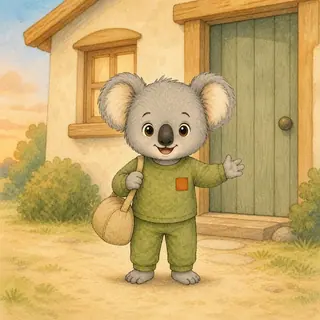
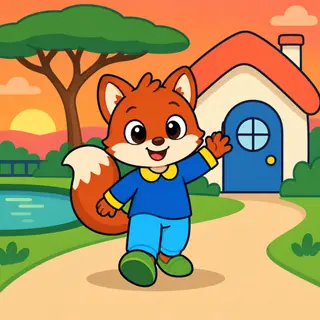
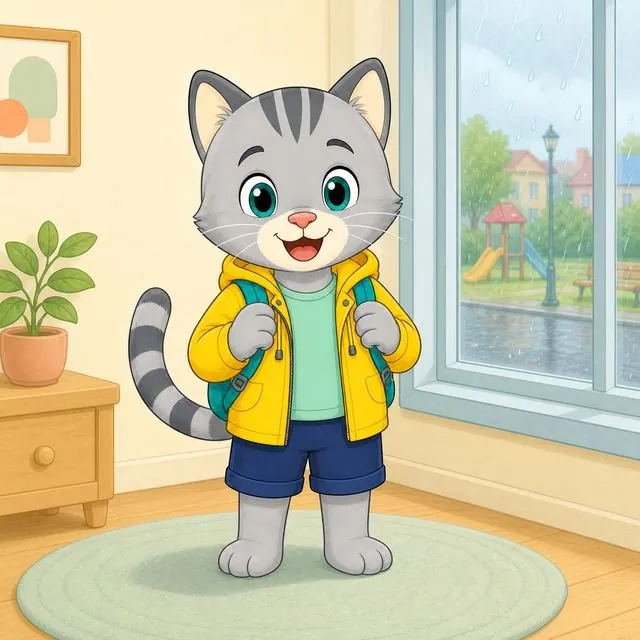
Luna is the story step. Your child picks tonight’s story from a shelf of illustrated picture books, you read it aloud page by page, and at “The End” they earn a sticker. Then it’s lights out. There’s nothing to scroll and nothing plays next.
- Your child is the hero. Their name is in the story, so they want to hear it, and you have something to talk about.
- Short or long. Short versions for ages 2–5 on tired nights; long versions for ages 6+.
- Up to five children (Luna Pro). Each child has their own name, favourites, stickers and streak.
- Offline. Stories on your device work on holiday, on a plane or at grandma’s.
- Private. Your child’s name never leaves your phone.
Why does it help that my child is the hero?
Children lean in when the story is about them. In studies of personalised books, preschoolers talked more, smiled more and picked up new words more readily from the parts of the story that referred to them.
That research is by Natalia Kucirkova and colleagues (Kucirkova, Messer & Sheehy, 2014). In Luna, every story uses your child’s name, which turns each page into an invitation: “What would you do?”
What if we’re all exhausted tonight?
Pick a short one. Wise Bird, The Ant and Responsibility and The Cat Who Saved the Day take just a few minutes in their long versions, and less in the short ones. A finished short story beats a rushed long one. More in short bedtime stories for tired nights.